Traveling abroad and losing internet access is more than just an inconvenience. It disrupts your plans, your work, and your safety. eSIM in Nigeria is quickly becoming the go-to solution for travelers who want data connectivity the moment they land, without swapping SIM cards or paying heavy roaming fees. But before you buy one, you want to know how much is eSIM in Nigeria actually costs and where to get it. This blog answers both, what drives eSIM pricing, what TradeCard offers, and exactly how to get an eSIM in Nigeria before your next trip.
What is an eSIM, Why Should Nigerian Travelers Use It?
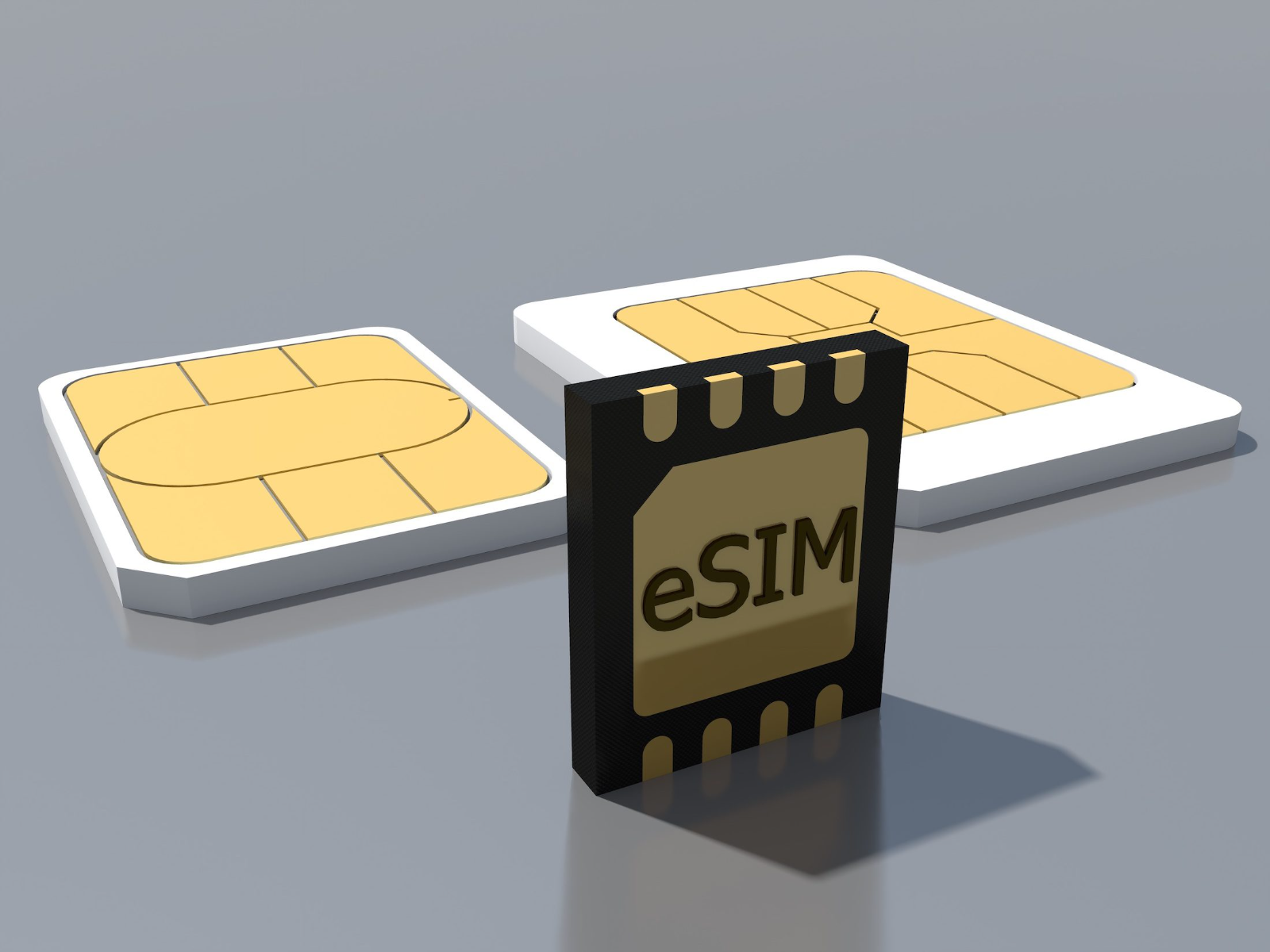
An eSIM is a digital SIM card built into your phone. There's no physical card to insert. You simply activate a data plan on your device using a QR code or installation code, and you're connected.
For Nigerian travelers, the appeal is straightforward:
• No roaming charges from your local network
• No need to find a SIM card vendor when you land
• Instant activation before you even board your flight
• Your Nigerian number stays active on the same device through dual SIM
Traditional roaming charges from Nigerian networks can cost several times more than a standalone eSIM plan for the same amount of data. And buying a local SIM at your destination means sharing your number with contacts, going through a registration process, and often waiting in line at a telecom store. An eSIM skips all of that.
It's a cleaner, faster way to stay connected abroad. And once you understand how the pricing works, it becomes an even easier decision. Now let's look at what TradeCard eSIM actually charges.
How Much Does TradeCard eSIM Cost in Nigeria?
TradeCard runs on a 0% commission model. You pay only for the data plan, nothing else. No activation fee, no service charge, no hidden markup. The eSIM itself is free — and so is local eSIM activation in Nigeria through MTN, Airtel, and Glo, where you only pay for data bundles after setup.
This matters because most eSIM pricing comparisons look similar on the surface, but provider commissions quietly raise what you actually pay at checkout. Depending on the provider, the plan listed at a certain price can end up costing noticeably more by the time you hit confirm. With TradeCard, what you see is what you pay.
Plan prices vary by destination and are updated regularly to stay competitive. The most accurate way to check the cost for your specific trip is through the TradeCard app. You can browse plans by country, compare data sizes and validity periods, and confirm your price before committing.
Now you should know what drives the cost of eSIM in Nigeria.
What Determines How Much eSIM Costs in Nigeria?
eSIM in Nigeria prices are not flat rate. It varies based on several factors. Knowing these helps you pick the right plan without overspending.
1. Destination country
Data costs differ by country. Plans for high-traffic destinations like the US, UK, or UAE tend to cost more than those for regional African countries.
2. Data size
Plans typically start from 1GB and go up to 10GB or more. The more data you need, the higher the cost — but a larger plan is often better value per GB than buying multiple small ones.
3. Validity period
A 7-day plan costs less than a 30-day plan for the same data volume. Match your plan to your actual trip length to avoid paying for days you won't use.
4. Plan type
Local plans (single country) are generally the cheapest. Regional plans cover multiple countries in one area, and global plans cover the widest range. Each step up in coverage comes with a higher price.
5. Provider commission
This is where the real difference lies. Some eSIM providers add a commission or service fee on top of the data plan cost. Others don't. That gap alone can change how much you pay significantly and it's easy to miss if you're not looking for it.
These five factors explain most of the price variation you'll see across eSIM providers. Once you understand them, it's much easier to evaluate whether a plan is genuinely good value or just looks that way on the surface.
What You Get with TradeCard eSIM?
TradeCard eSIM is designed to make staying connected while traveling simple, fast, and flexible. With coverage across more than 180 countries, TradeCard gives travelers access to local, regional, and global data plans that fit different travel styles and budgets.
• Free eSIM, 0% commission — you only pay for the data plan, nothing else
• Instant activation — get your eSIM instantly after payment and activate it directly on your device
• QR code or installation code — simple setup options to get connected quickly
• Flexible plans — choose by data size, validity period, and destination
• Data-only connectivity — most TradeCard eSIMs don't support traditional calls or SMS, but internet-based apps like WhatsApp, Zoom, and Telegram work fully.
On plan types, TradeCard offers three options depending on your travel needs:
• Local plans — work within a single country; best for focused trips to one destination
• Regional plans — cover multiple countries within a geographic area, useful when your trip crosses borders in the same region
• Global plans — work almost anywhere in the world, designed for multi-destination trips and frequent travelers
A few things worth knowing before you buy:
• Each TradeCard account supports one active eSIM at a time
• The eSIM can only be installed on one device, and most eSIMs are single-use installations
• It expires after 6 months of inactivity from the last time it was used
• You can reuse the same eSIM on future trips by purchasing a top-up, as long as you're in a supported country and it's still installed on your device
Before purchasing, there's one more thing you need to check — whether your phone actually supports eSIM.
Is Your Phone Compatible with eSIM?
Not all phones support eSIM, so it's worth confirming before you purchase a plan. Most modern flagship smartphones from 2019 onwards are compatible. Here are some common examples:
• iPhone — XS and later
• Samsung Galaxy — S20 series and later, select Z Fold and Z Flip models
• Google Pixel — 3a and later
• Other Android phones — many mid-to-premium Android devices from 2020 onwards support eSIM
To check on your device, go to your SIM or mobile network settings and look for an option to add a digital SIM or eSIM. If it's there, you're compatible. Try to activate eSIM on your Android or iPhones. If you're not sure, you can also check the manufacturer's website or your phone's spec sheet.
One more thing — your phone needs to be network unlocked to use a third-party eSIM. Carrier-locked devices may not support eSIMs from outside their network. If your phone was purchased directly (not through a carrier contract), it's most likely unlocked already.
Once you've confirmed compatibility, getting your eSIM on TradeCard takes just a few minutes.
How to Get eSIM in Nigeria Using TradeCard?
Getting a TradeCard eSIM in Nigeria is a completely digital process, which means you can handle everything directly from your smartphone, making it a convenient option for travelers who want internet access ready before departure.
Here’s how the process works step by step:
1. Download the TradeCard app — available on Android and iOS
2. Go to the eSIM section — accessible from the main menu
3. Select your destination — choose the country or region you're traveling to
4. Pick a data plan — browse by data size and validity, then select what fits your trip
5. Complete payment — review your plan and pay
6. Install your eSIM — Scan the QR code or enter the manual code to activate on your device
You can set this up before you travel, so your data is ready the moment you land. There's no need to wait until you're at the airport or abroad. If you need a detailed walkthrough of the full purchase process, check out our guide on how to buy eSIM online in Nigeria.
Conclusion
eSIM in Nigeria has made international travel a lot less stressful for Nigerians who need reliable data abroad. The cost of your eSIM ultimately comes down to your destination, your data needs, and which provider you use. TradeCard keeps it simple with 0% commission, free eSIM, and coverage across 180+ countries — you pay only for data, nothing more. And beyond eSIM, TradeCard is also Nigeria's go-to platform for gift card trading and utility bill payments, all in one app.
Check the TradeCard app before your next trip to see the latest plan prices for your destination and get your eSIM sorted before you leave. If you're looking to trade gift cards or want the best app to sell gift cards in Nigeria, TradeCard has you covered on that front too.
FAQs
1. How much is eSIM in Nigeria on TradeCard?
TradeCard charges 0% commission, so you only pay for the data plan you choose. Prices vary by destination, data size, and validity period. Check the TradeCard app for the latest rates before your trip.
2. Is eSIM free in Nigeria?
On TradeCard, the eSIM itself is free. You don't pay to get the eSIM — you only pay for the data plan when you're ready to travel.
3. What is the cheapest eSIM option in Nigeria?
TradeCard offers one of the most affordable eSIM options in Nigeria because there are no added commissions or service fees. You pay only for the data plan, with no hidden markups.
4. How do I get eSIM in Nigeria?
Download the TradeCard app, go to the eSIM section, select your destination, pick a data plan, complete payment, and install your eSIM using the QR code or activation code provided. The entire process is done on your phone.
5. Can I use a TradeCard eSIM within Nigeria?
No. TradeCard eSIM is a travel eSIM designed for international use. It works in 180+ countries worldwide. For local Nigerian data, your regular SIM card is the right option.
6. Can I top up my TradeCard eSIM if I run out of data?
Yes. You can purchase a top-up plan for the same eSIM without reinstalling it, as long as you are in a supported country and the eSIM is still installed on your device.
7. How long does a TradeCard eSIM last?
A TradeCard eSIM expires after 6 months of inactivity from the last time it was used. As long as you use it at least once within that period, it remains active.
8. Can I install a TradeCard eSIM on more than one device?
No. A TradeCard eSIM can only be installed on one device. Most eSIMs are also single-use installations, so once activated on a device, they cannot be transferred.